Black Frog

Back Frog

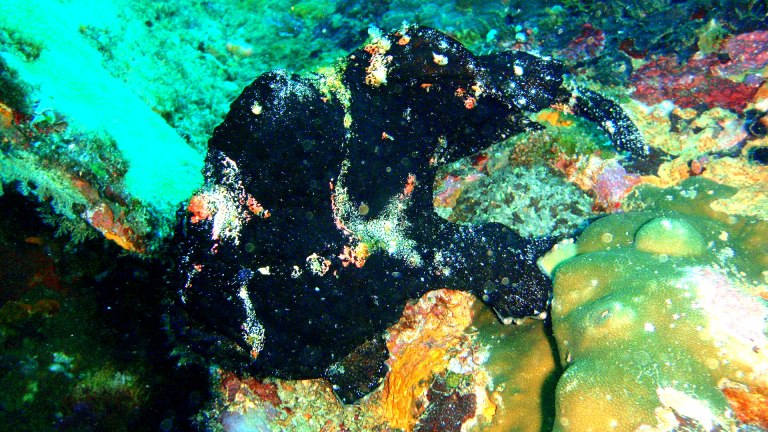
A good find in the waters of Sabang, Puerto Galera. This camouflaging frog fish was on  stone corals trying to blend with the colors. It was my first sighting of this black specie. Many species can change color; some are covered with other organisms such as algae and hydrozoa. In keeping with this camouflage, frogfishes typically move slowly, lying in wait for prey, and then striking extremely rapidly, in as little as 6 milliseconds!

Many frogfishes can change their color. The light colors are generally yellows or yellow-browns while the darker are green, black, or dark red. They usually appear with the lighter color, but the change can last anywhere from a few days to several weeks. It is unknown what triggers the change.

Home Again!

P1040495
Homecoming to favorite spots in Balingoan waters

I had the opportunity to be back again in MADRI, although I was clueless for the perennial year-end dive. I was overtaken with other concerns and priorities. My dive buddy just pop-up to come over, because he wanted to have his last dive of the year with his favorite dive buddy. It was like an ambush though I have no qualms about being in the depths.  It has always been my therapy for all the unrestlessness, especially with year-end hullabaloos.


The distance of the airport and inconvenient flight skeds to CdeO wasn’t of help for a timely arrival in Mantangale, coming almost 11am the most that we could do was only for two dives instead of the usual three dives.  Luckily, the weather was sunny like summer and I could only expect good viz for our descents.

P1040492
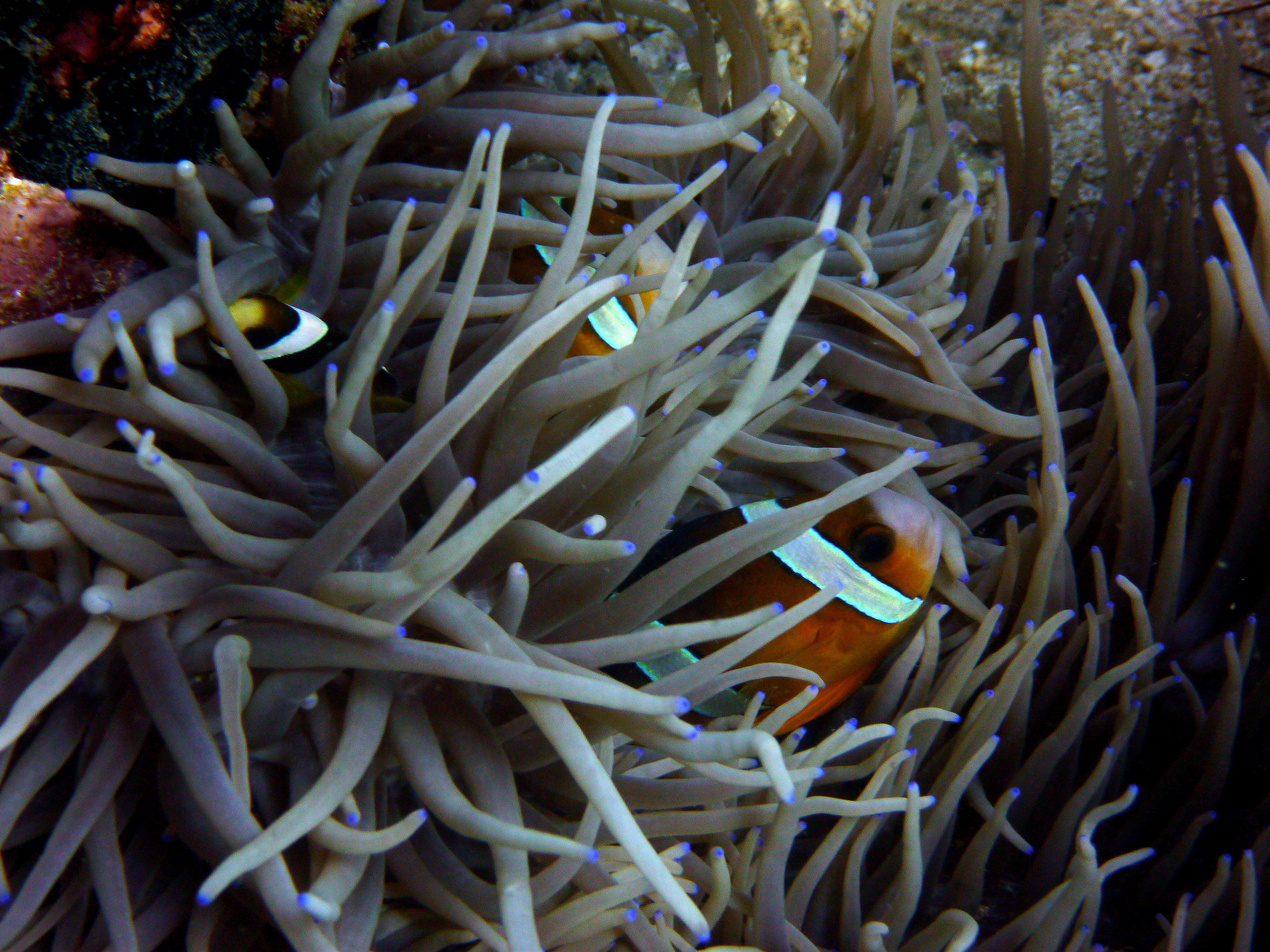
Clownfish playing hide & seek on anemones

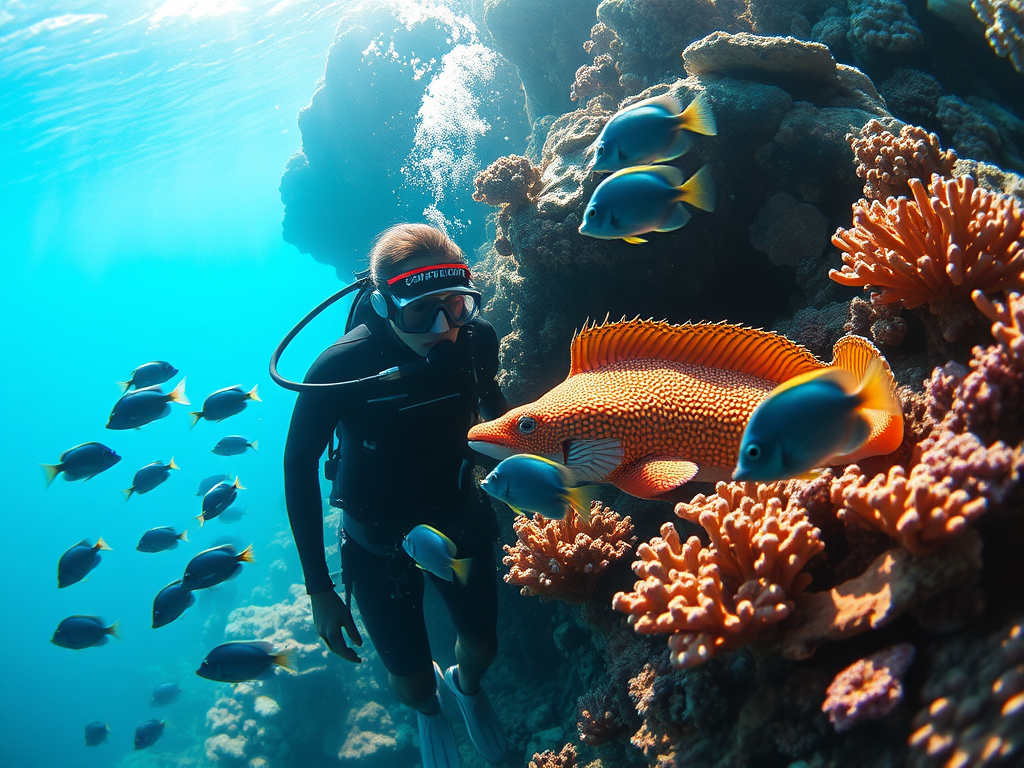
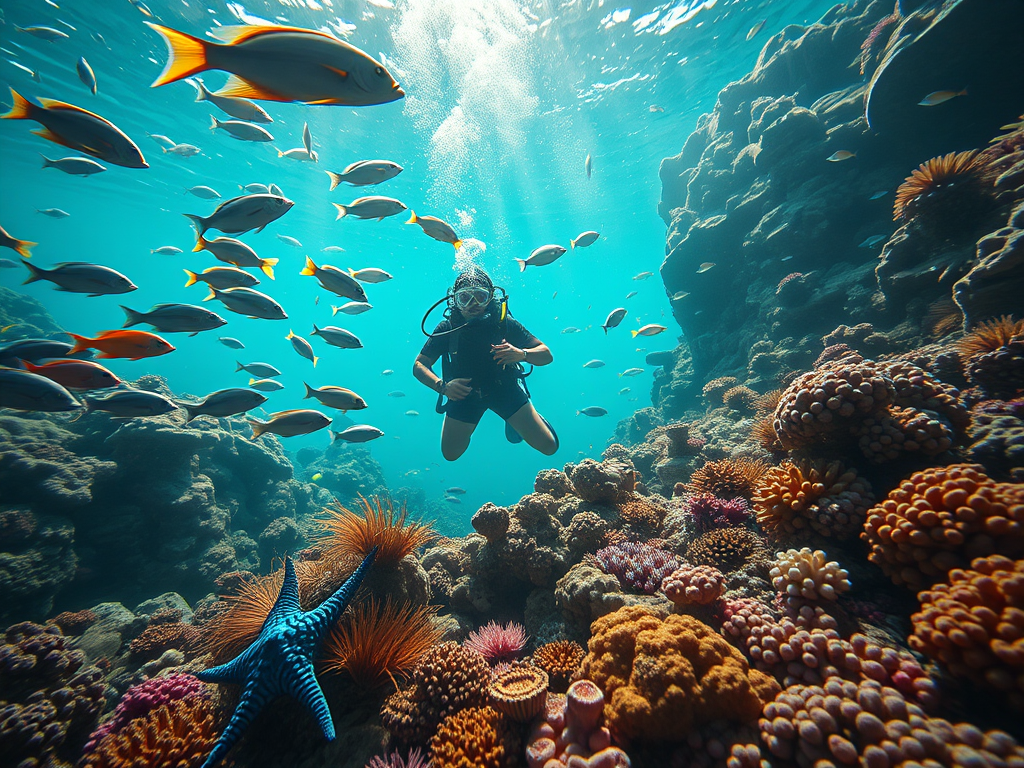
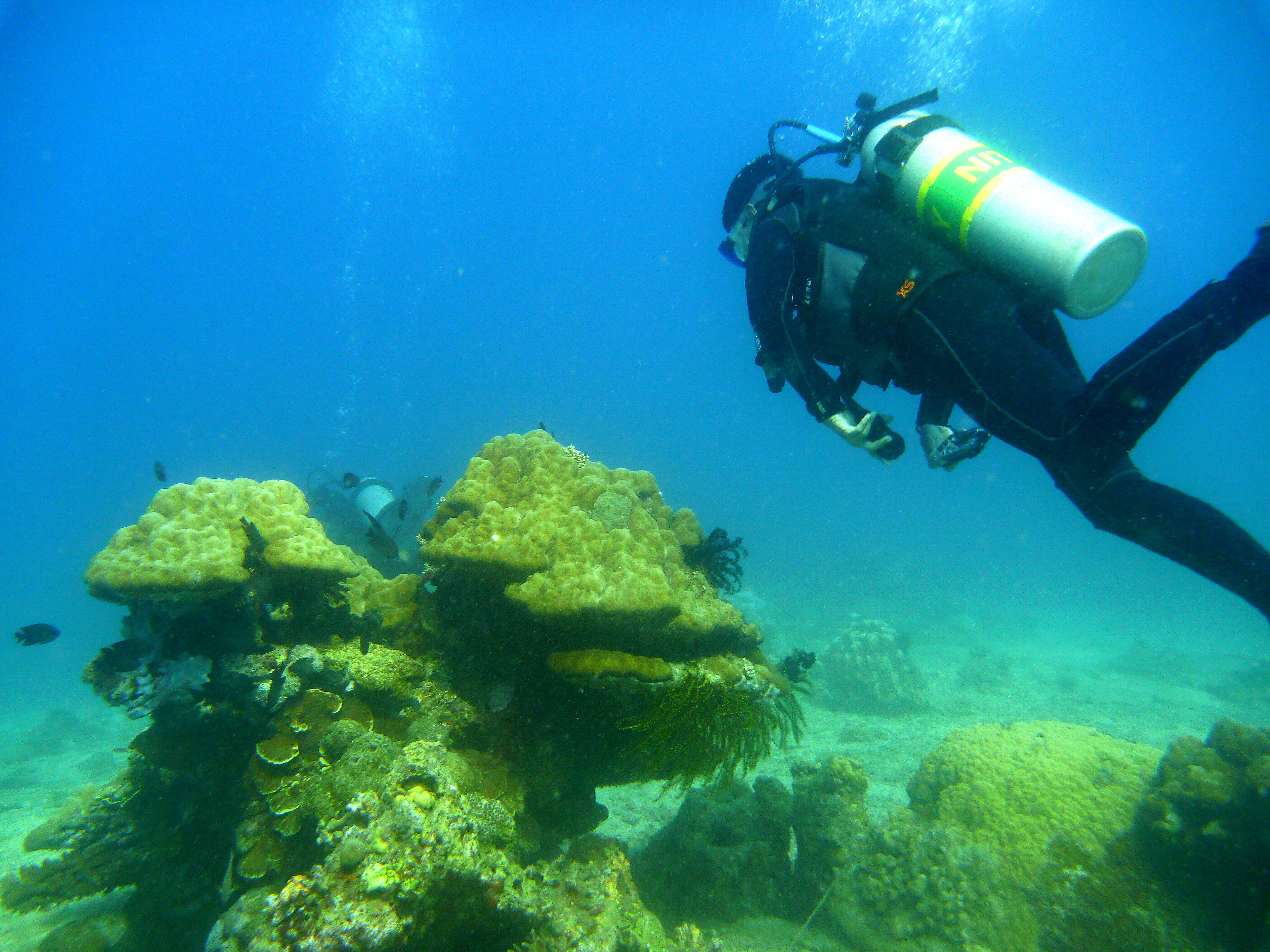
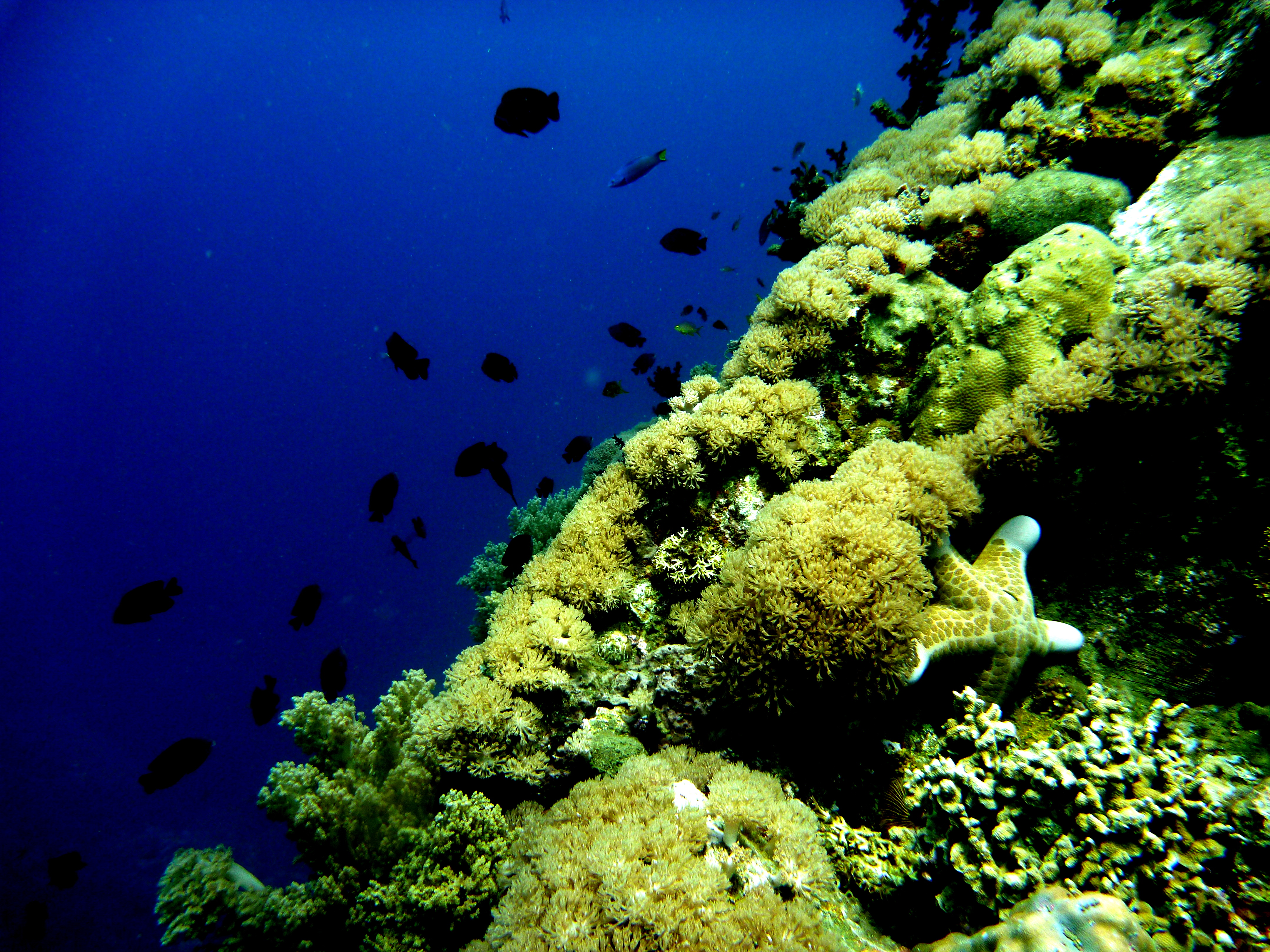
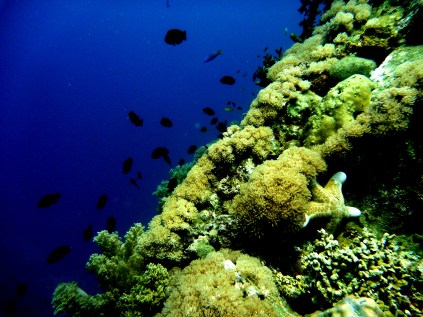
Speeding our way under the noon sun, our first descent was at the house reef (aka Banaug Shoal), it has been a favorite spot and again it didn’t disappoint us.  My colds slowed my descent through the bouy line and thankful I made it.  The unequalled diversity of marine life is simply engaging, swarm of damsels and chromis abound as we reached the hill.  The snapper couple was also there, following us as if asking for food.  The black corals and a variety of hard and soft corals decorated the shoal.  The tangles of soft corals blocking my way felt like I was in the grasslands finding my way out.  There were nudis, the clownfish that played hide & seek on anemones, anthias, angels, moorish idol, box fish and more.  But I missed the resident moray eel, the stonefish and pygmy seahorse.  The leaf fish surprised us, I wasn’t expecting to meet her again, discreetly it was swaying with the current between the corals.  Our DM was too keen to notice this elusive specie, but we failed searching for macros in the soft corals.  The currents could have swept them off. We ascend after 44 minutes at 32.3 meters as my deepest.

Leaf fish at Banaug Shoal

Our surface interval was spent back at the resort dive shop, sitting and watching the horizons – blue waters, blue skies and Camiguin island afar!  Finishing up our left over food (fish & chips with rice pop), sitting comfortably with afternoon breeze and the rustling leaves blown by the wind – was purely relaxing. MADRI is always home to me, the familiar surroundings gave me such comfort.  There were no other guests, so it was like an exclusive dive for us!

P1040499
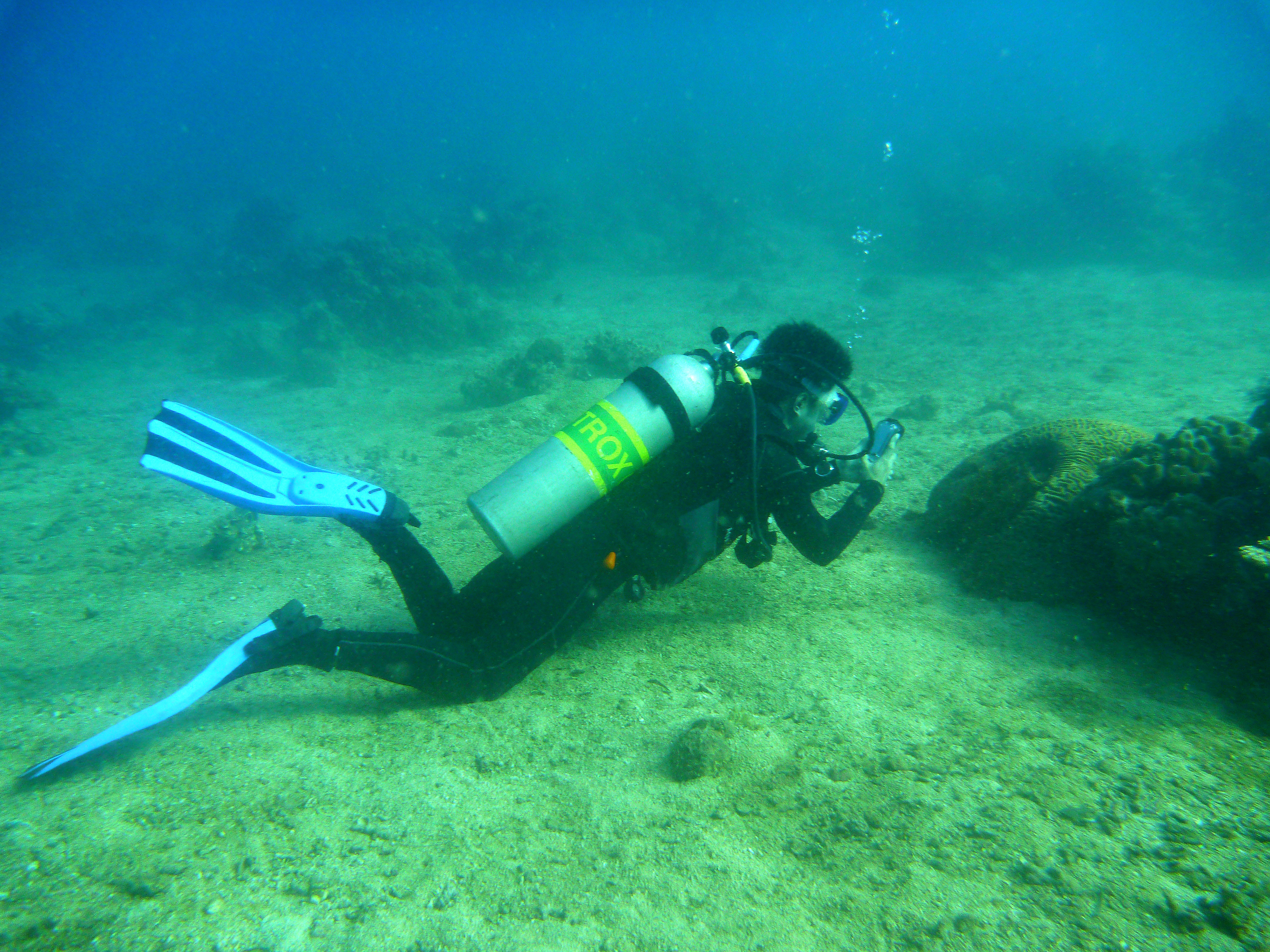
Both dives were in nitrox with no extra cost!

Our DM suggested for Lapinig Island for our last descent, speeding our way almost 3pm to this lowly uninhabited island, the waters went choppy already. There was mild current as we descend on the sandy slope. We went around searching for macros but we found more trash, so it was some kind of clean-up which we always do as our commitment.  There were sea fans, nudis, clownfish, anthias over corals, butterflies and more tropical fishes.  The spot is a ground of bristle worms, there were plenty of them embedded on the corals.  We stayed over an hour going around feeling the warm afternoon waters, my deepest at 28.9 meters.  Both dives were in enriched air with no extra cost!


It was over two months from my last dive during the International Clean-Up Day, the two descents undoubtedly freshen up my dried-up gills!  It was such bliss to be back in Mantangale, surely there will be next time to be home again.

Divers as Protectors of Ocean Planet

Camiguin Island Underwater Paradise
Just like climbers and campers have an ethic or code to live by – so do scuba divers. Project AWARE’s 10 Tips for Divers to Protect the Ocean Planet helps divers of all skill levels make a difference when they dive, travel, and more. Share the 10 Tips for Divers to Protect the Ocean Planet and do our part to take this ocean ethic to heart.

  1. Be a Buoyancy Expert

Underwater plants and animals are more fragile than they appear. The swipe of a fin, bump of your camera or even a touch can destroy decades of coral growth, damage a plant or harm an animal. Streamline your scuba and photo gear, keep your dive skills sharp, perfect your underwater photo techniques and continue your dive training to fine-tune your skills. Always be aware of your body, dive gear and photo equipment to avoid contact with the natural environment.

  1. Be a Role Model

New scuba divers are being trained and certified every day. Regardless of your experience level, be sure to set a good example for others when interacting with the environment – while underwater and on land. 

  1. Take Only Photos – Leave Only Bubbles

Nearly everything natural found underwater is alive or will be used by a living creature. If you take a coral, shell or animal, you can disturb the delicate balance and add to the depletion of dive sites for future generations.

  1. Protect Underwater Life

Choose not to touch, feed, handle, chase or ride anything underwater. Your actions may stress the animal, interrupt feeding and mating behavior or provoke aggressive behavior. Understand and respect underwater life and follow all local laws and regulations.

  1. Become a Debris Activist

An astonishing amount of waste makes its way underwater, reaching even the most remote ocean areas. Once there, it kills wildlife, destroys habitats and threatens our health and economy. Don’t let your dives go to waste. Remove and report what doesn’t belong underwater every time you dive. Make a conscious effort to buy green, buy local and, when possible, buy less.

  1. Make Responsible Seafood Choices

Overfishing leads to species declines while harmful fishing practices damage and pollute underwater ecosystems. You play a critical role as a consumer. If seafood is part of your meal selection, ensure you’re choosing sustainably sourced species and encourage others, including restaurants and shop owners, to do the same.

  1. Take Action

Scuba divers are some of the strongest ocean advocates on the planet. Now, more than ever, divers like you are taking a stand. Speak out for conservation, share your underwater images, report environmental damage to authorities and campaign for change.

  1. Be an Eco-tourist

Make informed decisions when choosing and visiting a destination. Choose facilities dedicated to responsible social and environmental business practices that include water conservation, energy reduction, proper waste disposal, use of mooring buoys and respect for local cultures, laws and regulations.

  1. Shrink Your Carbon Footprint

Global warming and ocean acidification are putting your favorite animals and the whole ocean planet at risk. Do your part by understanding and reducing your carbon footprint and look for ways to offset what you can’t reduce.

  1. Give Back

Ocean protection depends on all of our actions, large and small. Investing in the ocean protects our planet and lets the dive adventure live on. Donate or fund raise for ocean protection to fuel the grassroots action and policy change necessary to ensure a clean, healthy ocean planet.

We are all ambassadors for the ocean and we have every reason to be active in protecting the deep blue world given the privilege to explore and experience its beauty and wonders. What about you, how do you protect the ocean? If you are a diver, environmentalist, marine enthusiast or a concerned citizen, take the pledge and spread the word. The Ten Tips Action Kit is a great and friendly tool for your eco boost. Go ahead!

 NB. Source is www.projectaware.org

Captivating Depths

My quests in the blue world were not without challenges, some phenomenal but mostly intriguing.  Summing it up I enjoyed every bit of these experiences, always coming home with renewed spirit and increasing admiration and love for the depths.  It meant traveling far, passing a night at the airport, spending fortune, neglecting comforts, entrusting my life to strangers and extending limits of my self-imposed modesty. Sometimes it was surprising I have gone that far. The scale of challenges is increasing. Yes, I have gone that far.

My search around the country is still on-going and few of them stand out for their mystic and charm, like sucking senses and left a diver fazed in wonder. Here are few sites that captured my heart and curiosity, it felt like I can’t get enough from my descent on its depths.

  • Pescador Island, Moalboal
    OLYMPUS DIGITAL CAMERA This lowly island held surprising secrets, the phenomenal sardine’s run will stir your curiosity how  these           millions of small fish come together and synchronize for a tornado.  It is so tempting to come and be amongst in their assembly and get lost in their midst!
  • The Canyons, Puerto Galera

    Dropping at Escarceo Point, drifting fast with the currents passing field of colorful acropora corals, and race over  several drop-offs to reach the Hole in the Wall. Steadying for the entrance, I was completely surprised as I was sucked in the hole in a split second!  There, the Canyons teeming with marine life.

  • Akitsushima Maru, Coron

    All the World War II wrecks concentrated in Coron Bay gave me that rush for the penetration but Akitsushima is different. She is simply beautiful, one of the few true warships among the wrecks. We penetrated chambers, crevices, holes and square openings.  Mysterious and truly engaging, the dark and its secrets and historic value held so much attraction to me.  Its externals is teeming with fish life, remnants like broken crane, canon ball hole, artillery and funnel.  It is an advance dive due to depth and currents.

  • Monad Shoal, Malapascua

    Watching a flock of quirky thresher sharks swimming before me on early morning was one of my unforgettable underwater experience, I almost cried in amazement! I can sit at the viewing edge and watch them until they are gone. Threshers are deep inhabitants but a herd always gathers every morning at the shoal to be cleaned from parasites and algae on their bodies by wrasses, more of a symbiotic relationship as these wrasses were fed from the sharks.  Monad offer guaranteed sightings everyday on early mornings!

  • Banaug Shoal, Mantangale

    The shoal is about 22 meters depth from the surface but this underwater hill can never be outdone in terms of diversity in marine life.  The swarm of damsels, red snappers, angels, sergeants, wrasses amidst hard corals and tangling soft corals, it is always as colorful as it was. Moray eel, stone fish, leaf fish, lion fish, nudis, sea stars are just few that inhabit the small hill.  It is always tempting to go deeper to explore what’s beyond.  This may not be in the diving map but its richness can be at par with exotic dive destinations.

Have you tried diving from any of these sites? I’m still in search for sites and I know I will never exhaust them in my lifetime.  There is yet a lot of secrets to unravel right here in my home country.

NB.  All photos courtesy of Angel using Tough 8000 with PT 045 casing