Explore New Dive Sites Around Bantayan Island

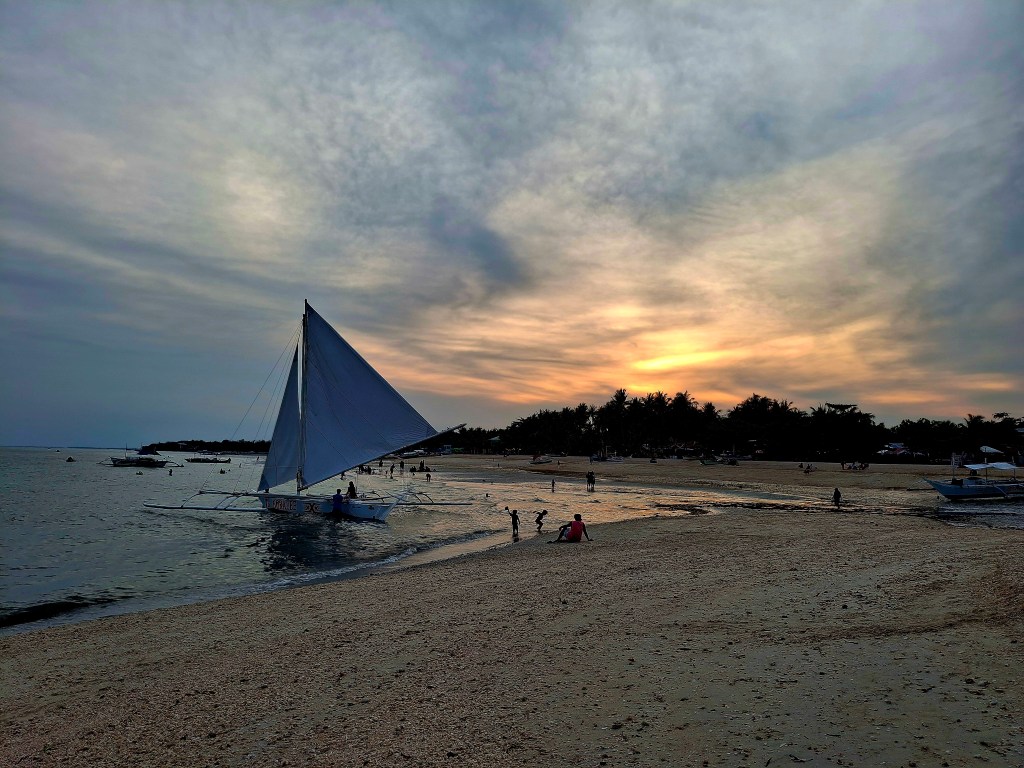
We waited for the nightfall to witness this sunset!

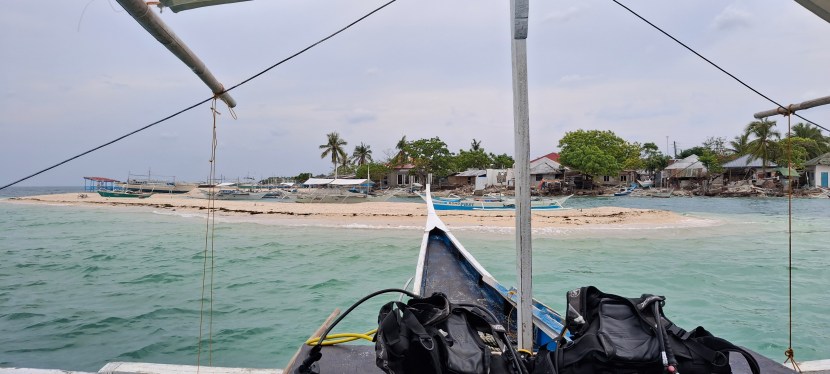
After almost two decades in diving pursuit, we’re still in search of new sites around the country.  So just before summer ended, we planned another dive trip aiming for something fresh and different.  Coming to Bantayan Island has been shelved for a while, obviously for reason that there was no scuba diving opportunity there. The sight of gleaming white beaches keeps haunting for sometime, so when my buddy discovered that dive operator exists lately, we agreed for a try with no second thoughts.  The usual thing for me was discover one new place and explore more beyond the surface.

I was greeted with beautiful sunrise as we approached the port after an overnight boat trip to Cebu, the cheery morning was just a good sign. So, just went straight to North bus terminal which was just nearby at SM City – just a stone throw at the Travelers Lounge.  The bus ride to Hagnaya Port was smooth, but the heat was scorching when we arrived almost noon time.  The ferry cruise though was a relief as we chose the open-air sits for some breath of fresh air!  After settling in our accommodation at Sta. Fe with some rest, we took a long stroll to punta searching the dive shop located within the Hungry Beach & Co. area. Just when the sun went mild in the nightfall, we opted to get a quick dip in the waters but it was unfortunate it was low, low tide. Well, what can I expect it was full moon in the next day!

Hilantagaan Island

The early call time prompted me to wake up at 530am for all the preliminaries, as we were engaged whole morning only for the two dives we need to start sooner.  The shop was on motion already but we can see from our point the water surf was up, unlike yesterday when the waters was so flat and calm.  We geared up ahead right at the shop and in that mode gathering strength somehow preparing for a tough day. Our dive guide Ethan somehow explained that the spots we’d venture for the day should be within shelter from the open seas. 

The boat sped off to the channel between the Bantayan main island and Hilantagaan braving the surf, with no bouy marker or indicator for the spot, Ethan did the search through hanging from the outrigger with his face scanning underwater! Tough task but in no time, they drop anchors. We completed gearing up, the final check and reminded not to go far from each other.

We back rolled and quickly held the line as we got in the waters – current during full moon is harsh! The descent was slow as I equalize, gently shifted to relax feeling weightless floating near the bottom.  What was noticeable was the large population of sea urchins in different colors, sizes and variants with short, medium up to long spines, scattered all over the area. Obviously treading carefully is necessary, the sting is unbearable! ☹ There were patches of soft corals on its white sandy bottom, and tropical fishes such as chromis, box fish, lizard fish and the perennial anemone fish. Some choco chip star, culcita and few feather stars. A juvenile sea krait came wiggling away fast, there was a herd of striped eel fish that stood their ground as we stopped nearby to take a closer look – I always love to watch them huddle together in unison.  Just then, Angel signaled something while we’re drifting with the current feeling weightless, so underneath a wide branching coral was a turtle! We hovered and peek down – it was there like hiding and feeling so comfortable, didn’t move an inch undaunted of our presence.  😊I was thinking it didn’t drift away with the current or maybe just needed some rest before swimming out for food hunting.  Both me and dive buddy got mystified with turtle encounters, every time until now!  I cringed with currents, following our dive guide we swam against probably leading us back to our boat, then after some time with no more critters but all urchins around I signaled for ascend.  We had 60 minutes bottom time with my air at 70 bars.

The surf was still up during our surface interval but thankfully, our dive guide had anchored at the sandbar of Hilantagaan to our delight!  😊 We just explored a little of the sand bar – gathering some trash, searching sea shells until I ended up having a quick dip in the clear waters.

Our next descent was still in the channel to be safe as we understood from Ethan, the surf became harsher and without doubt the current couldn’t be any less. We back rolled once more, descend again on the white sandy bottom but unfortunately viz was hazy about 5-6 meters only. ☹ There was less sea life but a promising one – there was sea krait within our watch! Striped eel fish huddled together, anemone fishes, choco chip star, blue star. There were few patches of soft corals and again the area has large population of sea urchins in variety! There was nothing much as we went around, drifting but in the end going against the current.  Ethan had gone ahead and can’t see him anymore, with my buddy just near I signaled for ascent as the viz wasn’t really helpful.  For a moment our guide appeared and prepared for our safety stop, until we went for the surface. Alas, the boat was far and with surfs up, our boat man can hardly spot us. The boat came anyway, grabbing the line for safety was in order – surf and current cannot be taken for granted.  I still have 80 bars with bottom time of 40 minutes.  Both dives were between 12 to 14 meters depth.

Last Note

Indeed, the sea is unpredictable – that Saturday was in a pretty much perfect summer conditions – warm sun, fresh breeze, blue skies yet the surf, current and hazy viz made it challenging. Even then, I would say I will go and dive again in a heartbeat! 😊 Coming to the islands was another learning experience!

NB.
As of this writing, my dive computer was due for checks at the shop and can’t have the data in my log.

Finding Triton Trumpet!

This is exactly similar to what we found in the reef.
Photo courtesy of http://www.oceana.org

My dives during the CCC expedition led me to surprising encounters with marine critters, especially that their field base is nestled within Sogod Bay which is just one of the richest marine environment in the Philippines. We were having our second survey dive of the day doing outward for the fish survey, it was in pretty normal conditions, no current and animals were contentedly calm. I was scouring my side for the target species and unexpectedly this large shell came into view, I tried to come near but getting conscious that invertebrates was not our aim for the descent, time is always precious during survey dives! But the sighting was too rare to ignore, I tried to get Manon’s (our Project Scientist) attention – she was too absorbed as she was leading our mission. I pointed it out and she was surprised too! The intricate pattern of the its shell was just beautiful. We both came nearer and she signaled to record the sighting. That was my first encounter of a giant Triton in its habitat surrounded with other animals and I was wondering of its contribution to the marine ecosystem.

Here are are few facts I found at www.oceana.org about the specie:

  1. This invertebrate is an active predator and is known to aggressively chase its prey, which it detects through its excellent sense of smell.
  2. The giant Triton is known for relatively high speeds, especially for a snail.
  3. They feed on other snails and sea stars, most notably the crown of thorns starfish (COTS), Triton is the only natural predators of this destructive starfish.
  4. The specie was considered extremely important to reef health and is given legal protection particularly in Australia.
  5. The giant Triton reproduces through internal fertilization, and the female lays her sticky eggs on the sand, where they quickly become covered with sand and other material, protecting them from potential predators.

Unfortunately, because of its valuable and attractive shell it is collected at many places around the world, they are often sold in shops or markets in popular tourism destinations in the tropics such here in Philippines.  Gladly, that night during dinner as we were discussing the day’s activities, the giant Triton was nominated as critter of the day and was voted by majority!

NB.    The giant Triton was sighted in Nueva Estrella Norte, a fishing community in Pintuyan, Southern Leyte where a marine protected area (MPA) was just established.

Crustacean or Arachnid?

20180706_120630

Have you encountered a horseshoe crab? Few months back, I sighted one while we walked along Cockle Cove beach (Chatham, MA) and was wondering what it was! It had a hard shell like a crab but has a tail, by appearance it formed like a ray but with hard externals. It was dead though as we found it partly buried on the sand. We found few more shells around in different sizes. The next day while on trail at Hamblen Park (Welfleet, MA), we found more on grassy wetlands. It was lifeless though, but bigger and still complete I thought at first it was alive. My sister said it’s not edible but never dangerous. I have never seen this animal in the Philippines.
Here are few interesting facts about the specie, I learned it’s not alien in Philippine waters and just one of many significant critters in marine world.

  1. Horseshoe crabs are actually not true crabs at all, being more closely related to arachnids (a group that includes spiders and scorpions) than to crustaceans (a group that includes true crabs, lobsters, and shrimp).
  2. Often called “living fossils,” horseshoe crab ancestors can traced back through the geologic record to around 445 million years ago, 200 million years before dinosaurs existed.
  3. There are four species of horseshoe crabs that exists today, viz.
    a.) Atlantic horseshoe crab (Limulus polyphemus) lives around the Gulf and eastern Atlantic coasts of the United States.
    b.) Mangrove horseshoe crab (Carcinoscorpius rotundicauda) and the Coastal horseshoe crab (Tachypleus gigas) have similar ranges. They live in parts of the Indian and Pacific Oceans.
    c.) Chinese horseshoe crab (Tachypleus tridentatus). This species is found in parts of the eastern Pacific Ocean.
  4. This animal is harmless in reality, although some people viewed them as dangerous due to its spike-like tail. The horseshoe crab’s tail is used primarily to flip the animal upright if it is overturned.
  5. Horseshoe crabs are known for their large nesting aggregations or groups on beaches, the male fertilizes the eggs as the female lays them in a nest in the sand. Most of this nesting activity takes place during high tides around the time of a new or full moon.
  6. The young and adult horseshoe crabs spend most of their time on the sandy bottoms of intertidal flats or zones above the low tide mark and feed on various invertebrates.
  7. Horseshoe crabs are an important part of the ecology of coastal communities. Their eggs are the major food sourceof migrating birds and these birds evolve to time their migration to coincide during spawning activity. Many fish species have been observed feeding on horseshoe crab eggs in Florida. Adult horseshoes serve as prey for sea turtles, alligators, horse conchs and sharks.
  8. Horseshoe crabs are also extremely important to the biomedical industry because their unique, copper-based blue blood contains a substance called “Limulus Amebocyte Lysate”(LAL) that are chemically used to determine the presence of toxins. This compound coagulates in the presence of small amounts of bacterial toxins and is used to test for sterility of medical equipment and virtually all injectable drugs.
  9. Horseshoe crabs are marine animals, which means they live in salt water. The eggs are laid on the sand, when hatched the juvenile stay on shallow water where they are protected, like estuaries until they reached two years old. After two years, the now-adult horseshoe crabs can move into deeper water. Adults are found at depths ranging from 100 feet deep to more than 600 feet deep.
  1. They can and do swim, but for the most part they simply walk along the bottom since this is where their food is located.Its main diet consists of worms as well as mollusks, which are animals with a soft body, no spine, and a hard protective shell. Clams are the most common mollusk in the horseshoe crab’s diet.

There are three species of horseshoe crabs that can be found in the country; the Mangrove, Coastal and Chinese but unfortunately haven’t encountered any yet so far. I could only wish I will see one in the sandy bottom in the depths. Actually, they are endangered species in the Philippines and I think the remaining resources needs to be protected and managed. They are very important in biodiversity conservation and plays an important role in the marine ecosystem.

NB. Above facts were resourced from http://www.myfwc.com

Love from Cape Cod (Part III)

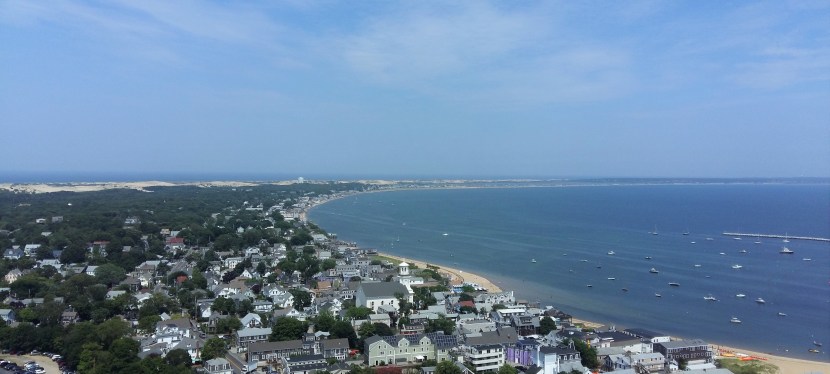
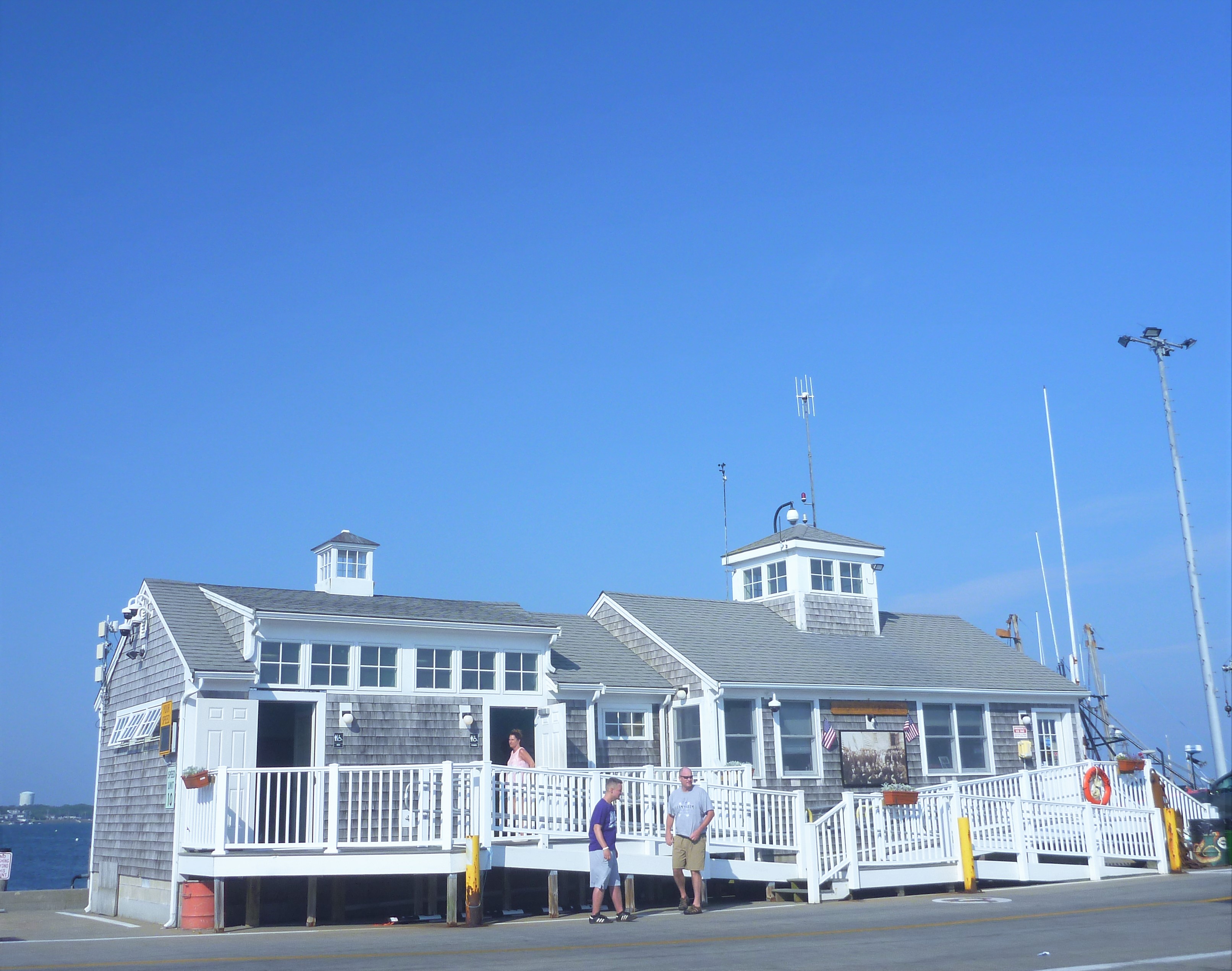
We drove to the northernmost tip of the Cape, Provincetown is where the historic first landing of The Pilgrims of the so called New World. I love this quaint town, so picturesque actually.

P1060963
White wash buildings were common in the town!

It has maintained its idyllic and rural setting and I believe its inhabitants never felt pressured to adopt modernity extensively. It is said that the residents felt violated with their privacy with the influx of tourists during summer. The town is filled with old buildings, art galleries, coffee shops & restos, seafood shacks, gift & souvenir shops and even thrift shops! It’s that kind of setting where you can just walk about the whole town, when you feel tired you can just sit on one of those benches around and you can grab something nearby if you need to munch or quench your thirst. And we practically went around, my sister insisted with the unique shops and we didn’t miss the shell shop at Commercial Street, the friendly owner showed us around and it was interesting that she had visited Philippines twice and still planning to be back!

This slideshow requires JavaScript.

Almost surrounded by waters and definitely part of the network of marine sanctuaries in the Cape, this northern town housed a center for coastal studies with on-going research on the Stellwagen Bank, an underwater plateau of sand and gravel historically important as a fishing ground for more than 400 years. The region is rich with maritime history and teeming with life, it was designated as national marine sanctuary in 1992. Provincetown is very significant in the whole territory of Cape Cod.

20180705_144059
Waiting for the signs of whales!

Lastly, the highlight of my trip in the Cape was the whale watching cruise based in Hyannis, I was not expecting or even planning for it, actually it was expensive. But my sister thought I love the marine world, Gary facilitated for the trip with the Hyannis Whale Watcher Cruises as we drove to Barnstable. It was a more than two-hour cruise hosted by a marine biologist who has been on the research team for more than two decades (if I hear it right!). During the trip, the naturalist narrated about the Stellwagen Bank and extensively explained the whales species that normally migrated by season, it is the feeding ground of this animals during summer. The blues skies and the blue seas lifted my spirit even if I was in the midst of total strangers, the waters was perfectly balmy after out of the realms for many weeks!

This slideshow requires JavaScript.

It took an hour before the first sighting, the host calling out – 1 o’clock!; 11 o’clock!; 10 o’clock! – the watchers shifted position now and then. We were at a distance when a humpback breached! It was so quick, I just watched in awe, obviously no chance for photos! 😦 There were few more sightings, always shifting when the host called out the position. You could hear the swooshing and the spray of salt waters up like a fountain, which they explained that the animal was breathing! The whale according to the naturalist was doing zigzag route down under, perhaps viewing the animal from their gadgets. Many times, the whale showed its tale like waving for us, my position was not favorable for a wider view of the tale so my photos was somewhat obscure. It was too fast, I got stunned I merely watched the sight in awe! Truly, it was a wonderful experience!

My Cape Cod trip will never be forgotten, as they say, “it’s for the books!” but more than that, it’s for my heart treasured forever. I may never get the chance again to be there but the memories was an important experience and a special part of my marine world learning in the Atlantic front. There was just abundance of life!

Love from Cape Cod (Part II)

Needless to say, vacation at Cape Cod costs a fortune, this exotic place definitely demands a price. But the Lord provided for everything through the generosity of my sister and family including the children. After more than two decades of waiting, I finally made it. Indeed, there is always a right time for everything!

20180706_132051
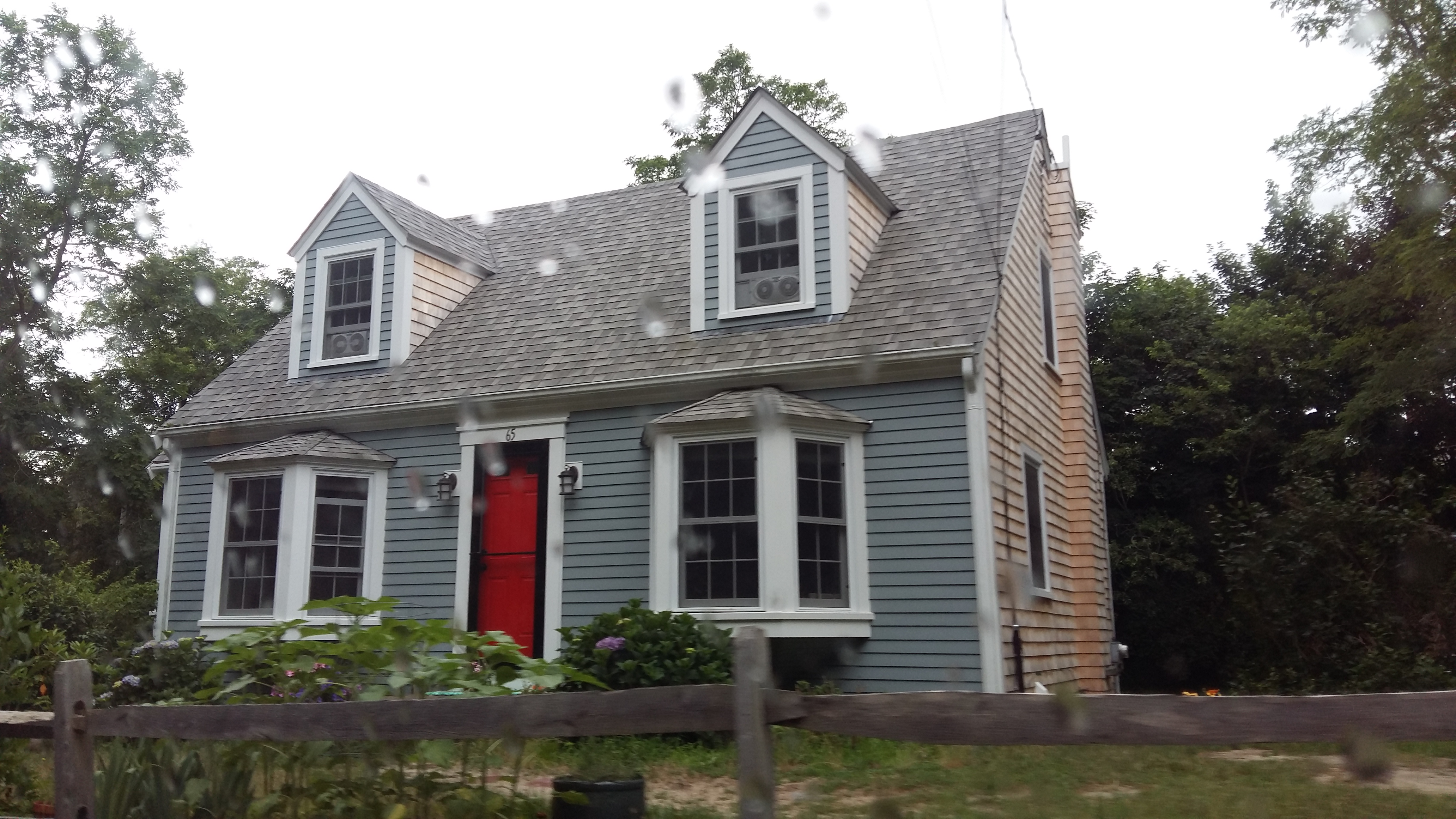
The summer house at Wellfleet!

The few days we had at the Cape was about getting around, while we were staying south of Chatham which has its own waterfront we spend more time at Wellfleet. My sister’s family revisited them to show me around, the children grew up coming in these spots almost very summer. Definitely, it was part of their childhood memories and always a joy for them to be here.

This slideshow requires JavaScript.

The Salt Marsh is one good find at Wellfleet Bay Wildlife Sanctuary, we started the trail from Uncle Tim’s Bridge crossing the Duck Harbor Creek to Hamblen Island overlooking the mudflats, where few birds took refuge and perhaps searching for shells, crabs and grasses for feeds. Then found a horseshoe crab by the side trails, unfortunately it was lifeless. It was my first encounter of such specie, it’s not edible though. There‘s small clearing near the bridge ruins at the creek, where one can sit and watch the view which at the time was all green, the rushing waters was also an attraction. Crabs, shells and other crustaceans dwell by the tidal marsh, a natural habitat for them. The locals on the area supported by the government have endeavored for its protection and preservation.

20180702_110417
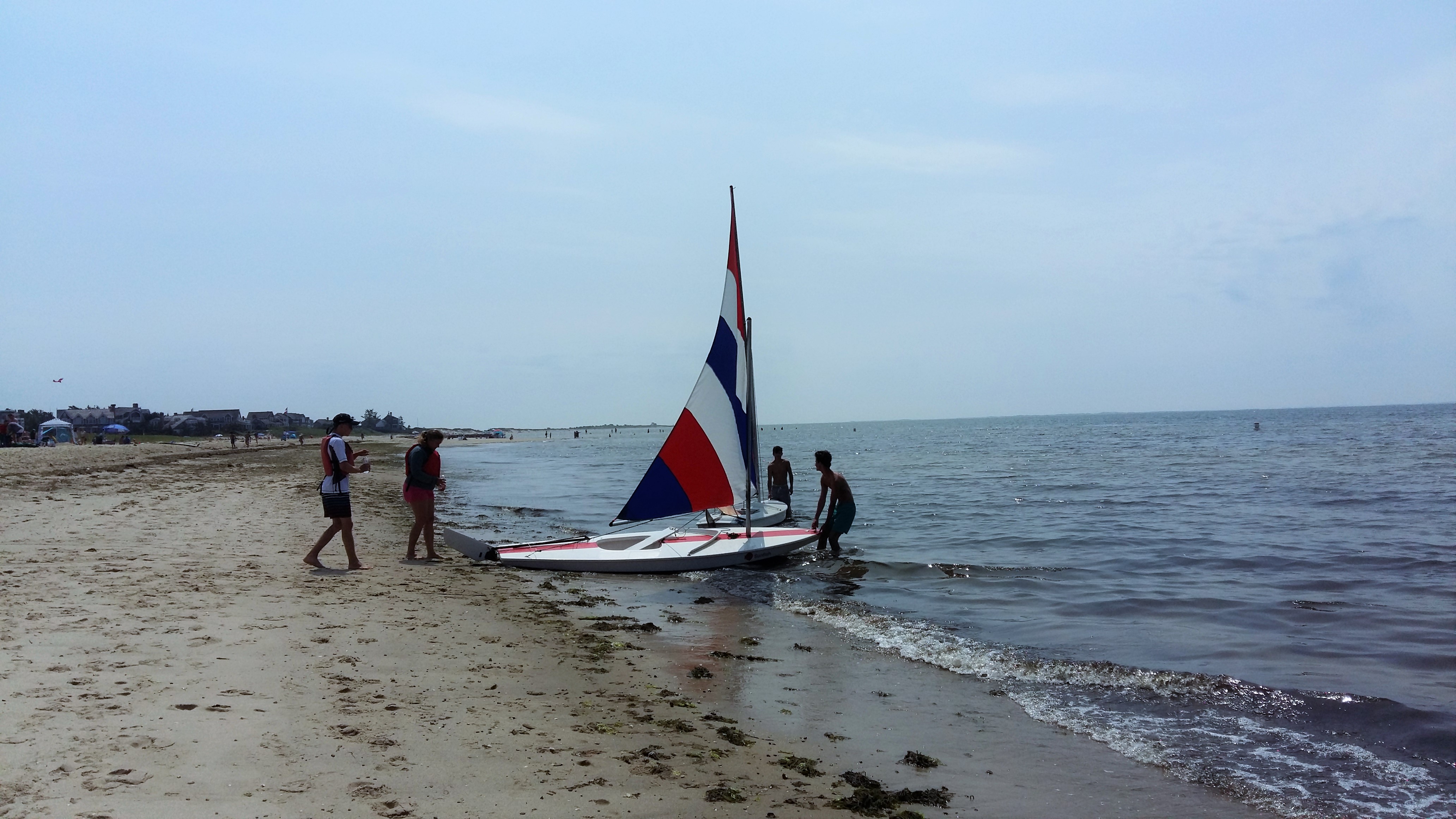
The Cockle Cove Beach was facing the Nantucket Sound

The Cockle Cove Beach was just near our Air B&B abode in Chatham, for me it was more than just a spot for pleasure. The beach was just a short drive with my niece and nephew and fortunately the parking was free when we went there! The warm waters from Nantucket Sound is perfect for swimming but there were no beach-goers, only few people were there taking lessons for SUP and windsurfing.

This slideshow requires JavaScript.

Yet, I was more interested of the seagulls hovering, unbelievably flying low with few landed along the sand picking with the sea weeds, it was surprising they stood their ground while we passed by looking for shells. Just few meters above was Mill Creek where we sighted thousands of hermit crabs and other crustaceans inhabiting the mudflats, a multitude were crawling by the creek side. The cove is without doubt part of sanctuary network in the Cape, series of restoration efforts were mobilized also due to sand erosion in the area.